

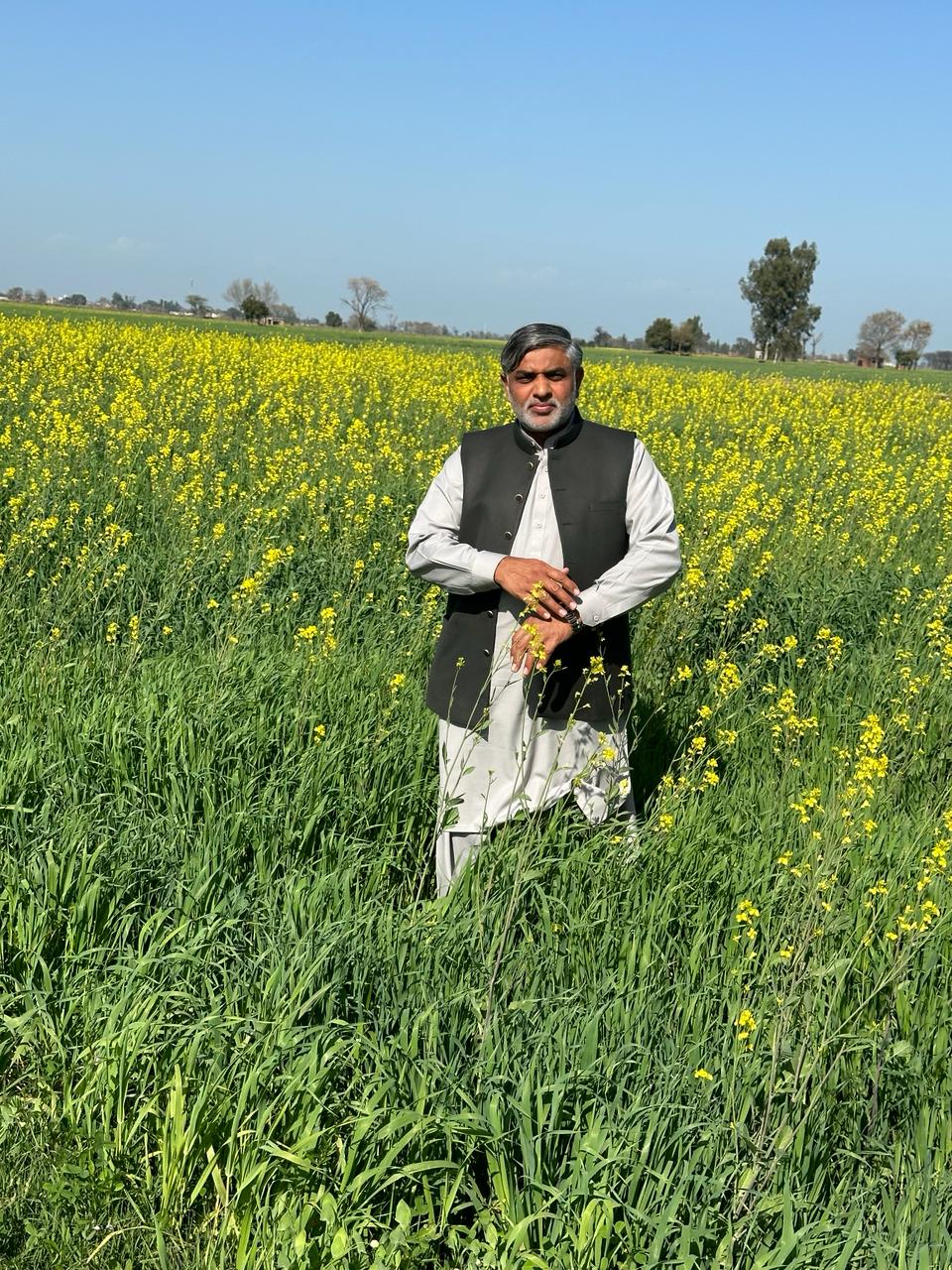
ISLAMABAD: The Chairman, Securities and Exchange Commission of Pakistan (SECP) Dr Kabir Ahmed Sidhu has proposed establishing a national agricultural spot market to connect farmers, warehouses, banks and buyers through a common digital trading platform, helping secure better prices for growers, reduce post-harvest losses and expand access to financing, a handout issued by the commission said.
Addressing the Pakistan Institute of Development Economics’ international conference, “Mission 100 Billion Dollars”, Sidhu said the proposed market would combine standardised grading, transparent bidding and electronic warehouse receipts to modernise agricultural trade. Provincial authorities would retain regulatory oversight of agricultural markets, while the SECP would facilitate the technological framework.
The SECP chairman said reforms in agricultural markets were important for the entire economy, with agriculture contributing 23.44 per cent to Pakistan’s gross domestic product. He put the estimated value of the country’s crops at approximately Rs8.8 trillion, underscoring the economic cost of losses and weaknesses in storage and marketing infrastructure.
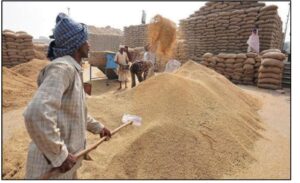
Citing post-harvest loss estimates ranging from 20 to 40 per cent, he said each percentage point of crop losses represented approximately Rs88 billion. Better handling, storage and distribution could therefore help preserve substantial economic value and improve farmers’ earnings.
Sidhu highlighted the gap between available approved storage capacity and agricultural production. Approved warehouses had a combined capacity of approximately 326,000 metric tonnes, compared with annual production of around 55.7 million metric tonnes of dry agricultural commodities suitable for conventional storage.
He said the development of modern warehouses, cold storage facilities and efficient supply chains could attract investment into agriculture, reduce wastage and improve access to export buyers.
A central feature of the proposed framework would be greater use of electronic warehouse receipts, enabling farmers to seek bank financing against produce held in approved warehouses. Access to storage and financing could reduce the pressure on growers to sell immediately after harvest, allowing them greater flexibility in deciding when to bring their produce to market.
The proposed spot market would initially seek the phased inclusion of wheat, rice, maize, cotton and sugar, supported by standardised quality grades. Uniform requirements for weight, quality assessment and grading, together with transparent bidding, could improve price discovery and help farmers obtain more competitive prices.
Sidhu also highlighted the importance of registering traders and commission agents and maintaining digital records of transactions and stocks. These measures, alongside a reliable system for timely payments, could strengthen accountability and improve protection for farmers and buyers.
He called for modernising agricultural market regulations, licensing arrangements, fees and procedures governing the movement of commodities to support a more efficient trading system.
Turning to the broader capital market reform agenda, the SECP chairman said the commission had set a target of increasing the number of stock exchange investors to 2.5 million. He outlined plans for an ambitious financial awareness campaign aimed at connecting young people with the capital market.
Improving financial literacy, he said, was necessary to help prospective investors understand financial products and make informed decisions. The SECP was also pursuing reforms to simplify stock market account opening and make participation more accessible.
Sidhu said the Pakistan Stock Exchange continued to offer investment opportunities despite regional uncertainty. He emphasised that the development of financial markets depended on safeguarding consumers and investors and strengthening their confidence in the system.
The SECP chairman also called for improvements in audit oversight, stressing that reliable financial reporting was essential to credible securities valuations and informed investment decisions.
He advocated a separate, independent legal framework for the oversight of audit firms, saying the supervisory system needed to keep pace with the requirements of modern financial markets. Stronger audit oversight would support confidence in corporate disclosures and reinforce the protection of investors.

