

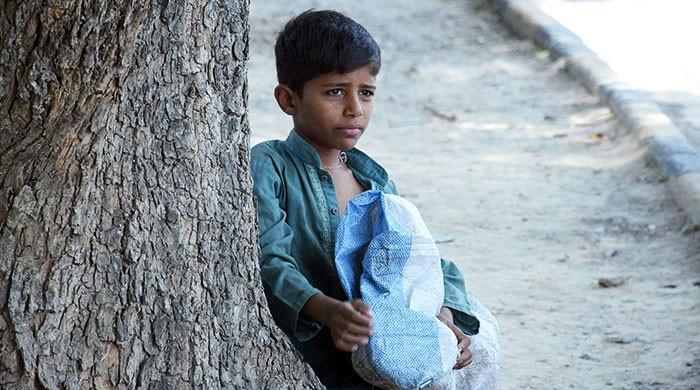
Autism Spectrum Disorder is perhaps the most complex, poorly understood, and historically marginalized neurodevelopmental disorder in present-day Pakistan. Whereas industrialized nations have taken more than fifty years to develop a comprehensive system of legislation, early intervention clinics, publicly-funded educational inclusion models, and insurance plans, Pakistan continues to be mired in a dangerous combination of organizational inertia, unclear legal provisions, paucity of health care, and deeply entrenched cultural stigma. Tens of thousands of autistic individuals in Pakistan live in a world where there is frequent failure to recognize their needs during childhood, exclusion from mainstream educational institutions, lack of access to public social spaces, and no protection in terms of financial, legal, and physical safety beyond the lifetime of their parents.
The solution to this problem necessitates a thorough analysis that would include the linkage of clinical and social aspects of the problem, international human rights duties and Pakistani constitutional provisions, legislative histories including new provincial achievements, criticism of the outdated civil law that determines legal capacity and inheritance, Islamic estate planning solutions, rehabilitation procedures, domestic failure compared to international practices, and the strategic action plan.
Whereas the international health organizations suggest that the autism prevalence rate among children should be one in every hundred children, the reliable data related to the state of affairs in Pakistan have never been collected. There were no neurodevelopmental screenings performed during the national health surveys, census, and registration of schools. However, making an exact diagnosis in the country is really difficult because of the various obstacles. That is why the symptoms of autism, including the problems with speech, lack of eye contact, social isolation, and sensory-induced meltdowns, are considered by parents to be spiritual and superstitious matters. In many semi-urban and rural areas, the first reaction of the family to their autistic child’s unusual behavior is the attribution of his behavior to the nazar, jinn or sins.
Therefore, in cases where there is clear evidence of delays in toddlers’ development, the family usually resorts to seeking help from conventional faith healers (pirs, bawas, aamils, and maulvis) instead of seeking treatment from professional medical experts. The child undergoes lengthy spiritual practices, spiritual recitations (dam and duroo’d), amulets (taweez) and in extreme cases physical exorcisms. It has been observed that a considerable number of pediatricians in general practice in Pakistan have no special training in neurodevelopment disorders. The children are diagnosed with generalized intellectual disability, global developmental delays, hearing impairment, or mental disorders.
On top of all that, there exists a culture of social stigmatization and blame for mothers. In a highly patriarchal culture of Pakistan, any child born with a difference in development is completely blamed on the mother alone. Mothers are blamed for neglect, poor parenting skills, eating wrong food during pregnancy, which cause a lot of tension in their marital life and violence. As a result, the family tries to shield itself from society and prevent any sort of talk about it by locking the autistic children at home, away from the relatives and neighbors.
The other dimension to the issue in Pakistan is the high rate of consanguinity marriages in the country that go beyond sixty percent. The rights of autistic children are firmly established in international human rights treaties, which recognize that neurodivergent individuals are entitled to full equality, dignity, and state protection. Pakistan’s failure to protect its autistic population stands in direct contradiction to its solemn international commitments and domestic constitutional directives.
At the international level, the United Nations Convention on the Rights of Persons with Disabilities, which Pakistan formally signed and ratified in 2011, serves as the global benchmark for disability rights. Article 7 of the convention explicitly mandates that state parties take all necessary measures to ensure the full enjoyment by children with disabilities of all human rights and fundamental freedoms on an equal basis with other children.
Despite these constitutional directives and international ratifications, the state’s practical execution remains virtually nonexistent. Federal and provincial governments have failed to translate constitutional promises into operational health programs, public school accommodations, or civil protection mechanisms, leaving autistic children and their families entirely reliant on private charity and individual perseverance.

As per the commands of the holy Quran, shares of inheritance are fixed and divine. Each and every child, no matter what physical, cognitive or neurodevelopmental abilities he or she has, automatically inherits a fixed share in the inheritance from their deceased parents. They can neither disinherit their autistic child nor make any alterations in fixed shares of inheritance through Wasiyyah (will).
Whereas Islam provides for the absolute right of an autistic child to ownership of inherited property, Pakistani civil law provides an absolute impediment to the right of the autistic individual to management and utilization of the inherited property. The moment the parents die, the property, money deposited in the bank, and business automatically become vested in the name of the autistic heir. But since the autistic person is not considered capable of having legal capacity under the civil law, banks block all inherited accounts of the autistic person and land revenue department stops the sale and leasing of inherited property.
In order to ensure that fixed laws in the Quran on inheritance are not compromised by the lifetime needs of an autistic child as well as to prevent any form of exploitation of the property involved, classical Islamic law presents three instruments that the parents can utilize during their lifetime. These include Hiba (Lifetime Unconditional Gift), Wasiyyah (Testamentary Bequest), and Waqf Al-Aulad (Family Endowment). Under Hiba, parents are allowed to give away assets within their lifetime, thereby ensuring that the asset does not become part of the property left for inheritance after death. On the other hand, Wasiyyah will allow one-third of the property to be used as a lifelong care fund for the expenses incurred on health care and housing.In order to remove any possible legal or financial weaknesses faced by autistic people, it is imperative that the Ministry of Law and Justice amend civil laws in the form of enacting a statutory scheme for Special Needs Trusts (SNTs) which will allow placing of assets within a trust that can only be controlled by trustees appointed for the sole benefit of the autistic individual. Further, the State Bank of Pakistan needs to lay down mandatory operating guidelines for commercial banks to provide trust accounts to neurodivergent individuals and their legal guardians. An examination of international legal frameworks in the United States, the United Kingdom, offers actionable models for Pakistan to rectify its statutory and administrative deficiencies regarding autism support and inclusion.
Whereas autistic individuals in Pakistan have been marginalized by cultural stigma, diagnostic inadequacies, and the profound neglect in terms of both legal and institutional reforms for many years. The revision of antiquated legislation in regard to civil capacity and succession, including Islamic estate planning techniques, alongside with the increase of federal protection would ensure the financial and physical security of people with autism throughout their lives.
The write is a Founding President of Centre for Rule of Law Islamabad-CROLI, a former Judge and Lawyer based in Islamabad, can be reached at [email protected]

