


For all these years, the American dream that success comes to those who work harder, get up earlier, do more and never give up has been embraced by modern society. People are motivated to be productive, reach big goals, create successful careers and make the best of each and every moment through social media feeds. Over time, ‘busyness’ has come to be a mark of significance and ‘rest’ is sometimes perceived as ‘laziness’. But under this constant quest for success is an important question, however; are we actually living our lives, or are we just flying through them?
In modern times life is more strenuous and people are compelled to do their work on time with high responsibilities, reach their career goals and meet their expectations from society. During this race, people have forgotten that life is not the race against time. As people are increasingly seeking slow living, digital detoxes and a better balance between work and play, there is a call to find ways to break away from the unnecessary pressure and to focus on patience, peace and personal fulfillment.
The Culture of Constant Pressure
In today’s society, success is generally defined by how productive you are, how well you do and how much you make. While it’s essential to have ambition and dedication in order to grow as a person, there are issues that can arise when people become the idea that they need to do everything now.
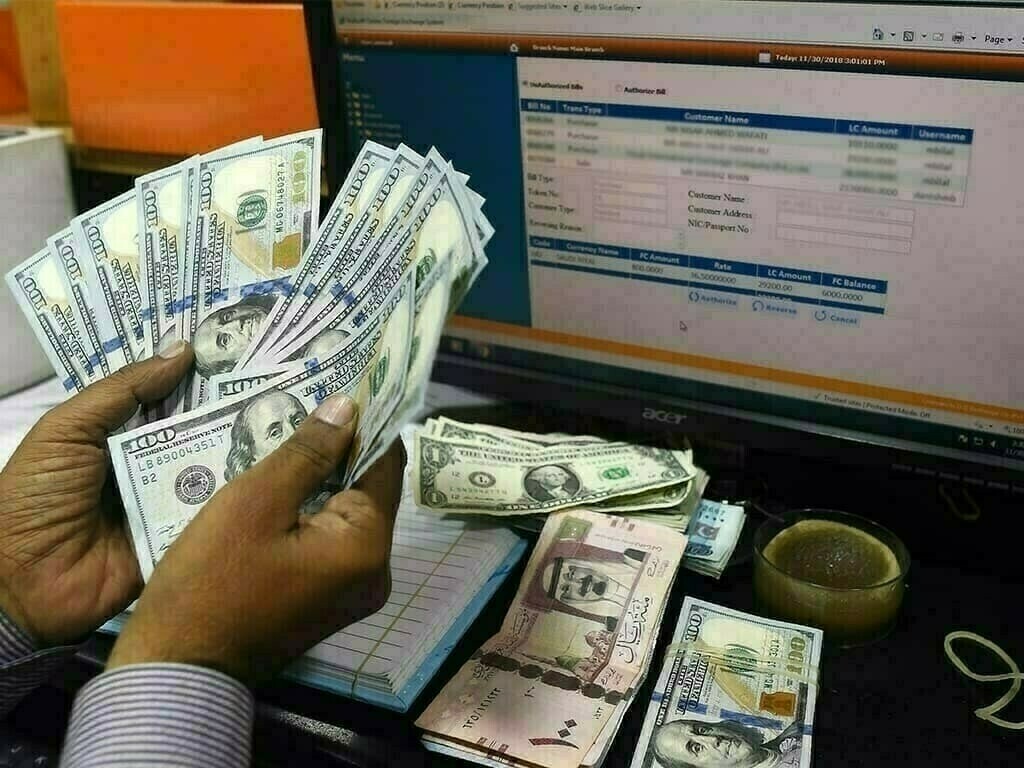
Individuals are encouraged to turn hobbies into businesses, interests into income-producing ventures, or even their leisure time into something that will improve their lives. Thus, relaxation can start to seem like a waste of time. Either you’re working or you’re studying or you’re networking or you’re doing something measurable and you feel guilty when you’re not doing any of those things.
This attitude fosters an ongoing pattern of expectations. They feel compelled to catch up with others, do more and work harder. But, if we are constantly active, that does not mean we have made progress. However, when you try to do it all you can end up feeling exhausted, frustrated, less creative or less fulfilled.
What matters is that productivity has to enhance rather than perpetuate the quality of life, not be a constant burden on it.
What is the reason for trying to hurry at all times?
Growth of urgency is one of the hallmarks of modern life. There are many times when a person feels that they have to get things done right away, whether they are a professional or at home. When individuals take on activities too quickly, they can become stressed, no matter how normal the event is.
Lack of financial progress or the prospect of not taking advantage of financial opportunities or failing to meet expectations can generate longstanding psychological stress. Continued stress can have a negative impact on emotional health and lead to anxiety symptoms, fatigue, and depression.
There are some tasks that don’t need to be done right away, and some problems cannot be solved within just one day. There are situations that call for reflection, there are achievements that call for time and there are situations that call for patience.
It’s not a matter of taking time off, it’s about slowing down. It’s about coming at them with a clear mind, realistic expectations, and a better attitude with regard to time.
Digital Overload, personal peace loss.
Today, technology has made it easier and quicker to communicate and made professional tasks more readily available. Individuals are connected all day, through their smartphones and social media, emails and communication platforms in the workplace.

With constant connectivity, however, there has eroded the distinction between professional and personal lives, as well. Many people are constantly preoccupied with notifications, conversations on the internet, messages in the office and social media, even after they’ve done their work.
This pressure is also exacerbated by social media, which displays images of people’s professional success, luxury lives, business accomplishments and personal achievements – carefully chosen images. Often, it is when people keep comparing their daily lives with the perfect lives of others that they set unrealistic expectations for their own life.
Digital detoxes have become popular, as people realize that being online at all times isn’t necessarily a good thing. A digital fast can help you reconnect to the real world, discover new hobbies and reconnect with your loved ones without getting online validation.
Technology is something that should enhance and not dominate our lives and peace of mind.
Rest and emotional well-being is important.
One of the other main components of a balanced life is to understand that rest is important and not a reward. It’s the way people wait until after they’ve done everything they need to do, until they reach their goals, until they have settled their issues, and then relax.What people do is wait until after they’ve done something, achieved something, resolved something, and then they relax. Sadly, it is nearly always there’s something else to be accomplished.
Sustainable downtime is taking breaks throughout the day. It involves time with family, reading books, walking outside, engaging in hobbies, creativity and time away from constant demands.
Sleep is not a weakness and a lack of ambition. It is a vital component of physical health, emotional balance, focus and productivity in the long run.
Individuals also need to develop patience towards themselves. Every day will not be as successful as others and not all plans will be as effective as they may seem. This is a reality that can help alleviate unnecessary pressure and promote a more positive attitude towards personal aspirations.
The peaceful mind does not remove any obstacles from life, but rather it enables a person to face obstacles with greater clarity, calmness and confidence.
A NEW VIEW FOR EMPLOYERS & HR PROFESSIONALS
As awareness of pressure in the workplace increases, this has a significant impact on HRM. Businesses must reassess what they see as ‘commitment’ from employees: long working hours, being available at all times, and constant performance pressure.

HR practices in today’s time should be aimed at sustainable productivity instead of overloading with workloads. These factors are all part of a healthier work environment such as flexible working schedules, reasonable deadlines, supportive management, clear communication boundaries, and employee wellness initiatives.
Employers need to judge their workers by measurable results, not just by the hours that they are available. It is important that staff feel able to discuss workload concerns without their commitment to their work being challenged.
In addition, it is important to organizations to understand the significance of psychological safety and employee well-being. An environment where people may feel their space is respected and their expectations are realistic can foster motivation, creativity and sustainability in the organization.
The goal is not to stifle aspirations or diminish organizational effectiveness. Instead, it’s to cultivate a culture of work that allows for success at work and success in life.
Slowing Down is a luxury or a necessity?
Slow living is a growing phenomenon, but not everyone can do slow living. Work, financial obligations, family life and economic insecurity can make it hard for many to cut back on work or to break free from work relationships.
Thus, the answer does not have to be “slow down. Employers, institutions and the policy makers too have a role to play in making conditions conducive to having a healthier work-life balance.
Slow living doesn’t have to be another fad that people are forced to jump on board with. It’s the real purpose that is to promote thoughtfulness, realistic expectations, meaningful relationships and a more sustainable way of doing everyday things.
Sometimes, it’s just a matter of realizing we don’t need to solve all our issues right now, get all our goals achieved in the here and now, or measure our own progress against another person’s.
Ending: Living without pressure all the time
This isn’t a race where it’s always the fastest that wins. A journey of duties, goals, relationship, problems, and experiences. Many people however, when trying to become successful in their profession and live up to the expectations expected by others, neglect to enjoy the life they are working hard to create.
There will never be a lack of hard work, ambition and productivity. They shouldn’t, however, be to the detriment of emotional health, personal relationships, or inner peace. Learning to work hard without getting tired, to be ambitious but not impatience, to go for success but without giving up the fun of the moment.
It’s not necessary for everything to be done right away. If everything is tried, and all expectations are met, it will be at the cost of one’s health.
Perhaps one of the most salient points of today’s life is that success is not to be measured by what we can do, but also by how we live.
Life isn’t about making it to the finish line, it’s about discovering what, how, and why to do so that you can experience the meaning, balance, and happiness.

Nayab Idrees: The writer is a freelance journalist and PhD scholar who frequently writes on social, political, and educational issues. She can be reached at [email protected]

