

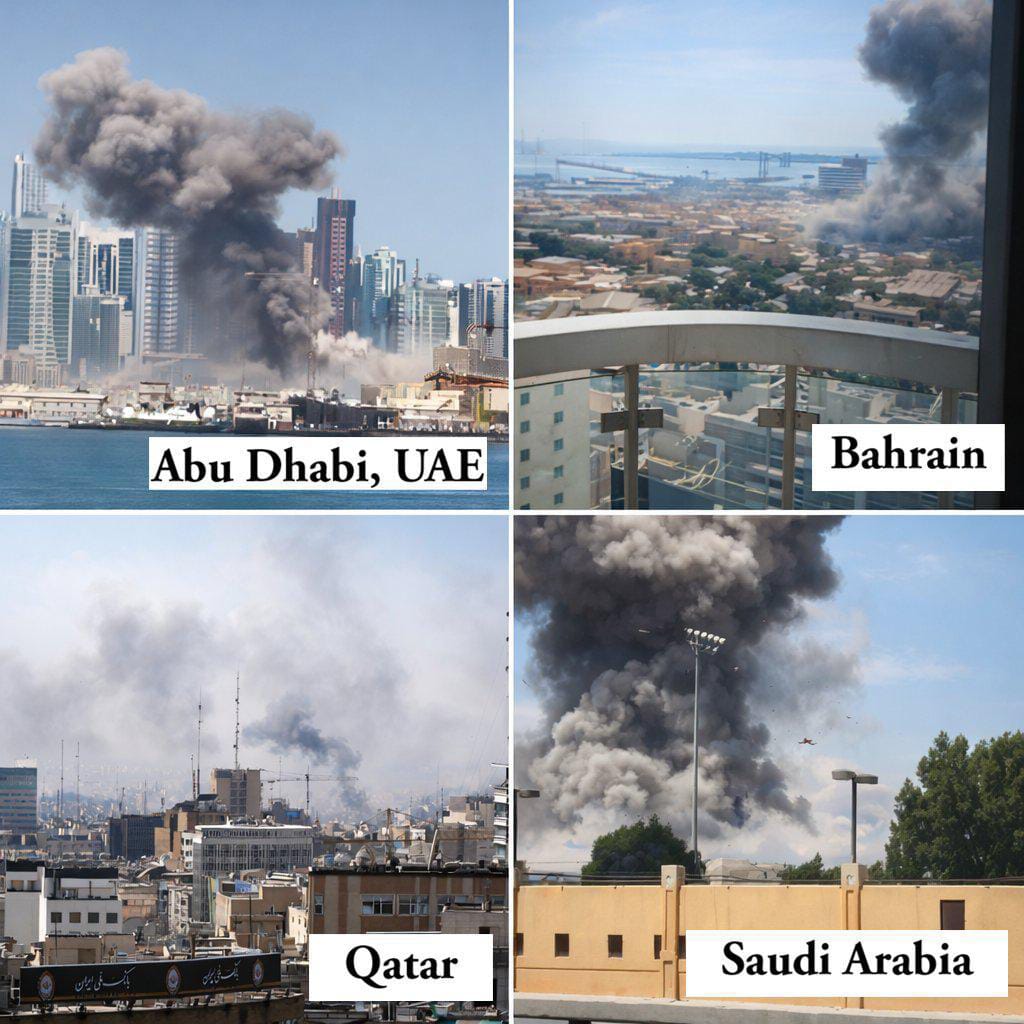
Russia is gaining the most from the growing conflict between Iran and Israel, and the global energy crisis that could result from it. The Middle East is a big source of oil for the world. The Strait of Hormuz, a key water route, connects the Persian Gulf to the Gulf of Oman. Around 20% of the world’s crude oil passes through this area every day. Countries like China, India, Japan, and South Korea get about half of their oil from this passage.
Pakistan gets about 40% of its energy from Iran and Saudi Arabia. India relies on this region for 33% of its oil, and China gets around 25% from there. If the Strait of Hormuz were blocked because of the Iran-Israel tensions, nearly 20% of the world’s oil supply would be cut off. This could cause a big problem in the global energy market. Countries that rely a lot on imported oil, like Pakistan, India, China, Japan, and South Korea, could face rising prices, industrial issues, and shortages.
In such a situation, Russia’s role becomes very important.
Russia is a major oil exporter and could become the biggest supplier of oil to replace the lost supply if the Strait of Hormuz is blocked. Higher oil prices would help Russia’s economy and make it more powerful financially and politically. Countries like China and India, which buy a lot of oil, could become Russia’s main customers, increasing its global influence.
Beyond this crisis, Russia could also solidify its position in the global energy market. European countries, which don’t have many other energy sources, might have to deal with Russia’s growing power. If the Strait of Hormuz is closed, energy prices in Europe could go up, industries might slow down, and investments could suffer.
The US and other global leaders might step in with more political and military pressure to ensure stable energy supplies. This could slow down global trade and investment, leading to economic slowdowns and higher inflation.
The tensions in the region could also make the humanitarian situation worse.
Millions in Gaza, Lebanon, and Syria might be forced to leave their homes, causing more refugee problems. Countries that rely heavily on oil imports, like Pakistan, India, and others, could face higher inflation and economic issues, which might lead to political and social unrest.
Energy shortages could hurt industries and jobs, especially in countries that depend a lot on oil imports. The countries that import the most energy through the Strait of Hormuz are: Pakistan (40%), India (33%), China (25%), Japan (50%), and South Korea (50%). These numbers show how important the Strait of Hormuz is to the global energy system.
The ongoing conflict between Iran and Israel is a big threat to the global energy system.
To prevent a crisis, immediate action is needed. The international community must take quick steps through diplomacy and politics to ensure a steady supply of energy and protect the world economy. Talks between regional countries and international cooperation are needed to reduce tensions. The Strait of Hormuz is extremely important for the global energy system.
The conflict between Iran and Israel is not just a regional issue but a major threat to the energy market. If the Strait of Hormuz were closed for a long time, about 20% of the world’s oil supply wouldn’t reach the global market. In such a crisis, Russia could gain the most, while countries like Pakistan, India, China, Japan, and South Korea could face serious problems.
Its important for the international community to handle the tensions through diplomatic and political efforts to make sure energy supplies stay stable and minimize the negative effects on the global economy.
Russia may Biggest beneficiary of the Global Energy crisis
By Maqsood Ahmad Shanawar Advocate
Russia is gaining the most from the growing conflict between Iran and Israel, and the global energy crisis that could result from it. The Middle East is a big source of oil for the world. The Strait of Hormuz, a key water route, connects the Persian Gulf to the Gulf of Oman. Around 20% of the world’s crude oil passes through this area every day. Countries like China, India, Japan, and South Korea get about half of their oil from this passage.
Pakistan gets about 40% of its energy from Iran and Saudi Arabia. India relies on this region for 33% of its oil, and China gets around 25% from there. If the Strait of Hormuz were blocked because of the Iran-Israel tensions, nearly 20% of the world’s oil supply would be cut off. This could cause a big problem in the global energy market. Countries that rely a lot on imported oil, like Pakistan, India, China, Japan, and South Korea, could face rising prices, industrial issues, and shortages.
In such a situation, Russia’s role becomes very important.
Russia is a major oil exporter and could become the biggest supplier of oil to replace the lost supply if the Strait of Hormuz is blocked. Higher oil prices would help Russia’s economy and make it more powerful financially and politically. Countries like China and India, which buy a lot of oil, could become Russia’s main customers, increasing its global influence.
Beyond this crisis, Russia could also solidify its position in the global energy market. European countries, which don’t have many other energy sources, might have to deal with Russia’s growing power. If the Strait of Hormuz is closed, energy prices in Europe could go up, industries might slow down, and investments could suffer.
The US and other global leaders might step in with more political and military pressure to ensure stable energy supplies. This could slow down global trade and investment, leading to economic slowdowns and higher inflation.
The tensions in the region could also make the humanitarian situation worse.
Millions in Gaza, Lebanon, and Syria might be forced to leave their homes, causing more refugee problems. Countries that rely heavily on oil imports, like Pakistan, India, and others, could face higher inflation and economic issues, which might lead to political and social unrest.
Energy shortages could hurt industries and jobs, especially in countries that depend a lot on oil imports. The countries that import the most energy through the Strait of Hormuz are: Pakistan (40%), India (33%), China (25%), Japan (50%), and South Korea (50%). These numbers show how important the Strait of Hormuz is to the global energy system.
The ongoing conflict between Iran and Israel is a big threat to the global energy system.
To prevent a crisis, immediate action is needed. The international community must take quick steps through diplomacy and politics to ensure a steady supply of energy and protect the world economy. Talks between regional countries and international cooperation are needed to reduce tensions. The Strait of Hormuz is extremely important for the global energy system.
The conflict between Iran and Israel is not just a regional issue but a major threat to the energy market. If the Strait of Hormuz were closed for a long time, about 20% of the world’s oil supply wouldn’t reach the global market. In such a crisis, Russia could gain the most, while countries like Pakistan, India, China, Japan, and South Korea could face serious problems.
It’s important for the international community to handle the tensions through diplomatic and political efforts to make sure energy supplies stay stable and minimize the negative effects on the global economy.

Dr Maqsood Ahmad Shinwar Advocate is a professional lawyer. He occasionally writes articles for NEWSMAN

