

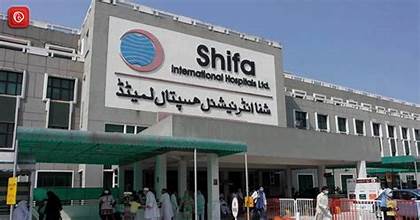
ISLAMABAD – The death of a young cancer patient has ignited public fury after his family alleged that Shifa International Hospital refused critical treatment over an unpaid bill, demanding a motorcycle as collateral before discharging the critically ill boy.
The patient, namely Usama, a resident of I-10/1, Islamabad was brought to the private hospital in dire condition. According to his family, after only six hours of care, they were presented with a bill for Rs. 117,349. Unable to pay the full amount immediately, they claim the hospital ceased treatment and released Usama only after the family surrendered a motorcycle as guaranteed. The teenager passed away shortly thereafter.
The family’s grievances escalated when they claimed two of Usama’s friends were later summoned to the hospital, and allegedly under the pretense of resolving the issue, only to be detained and coerced into signing a statement that the motorcycle was submitted voluntarily. While the motorcycle was later returned, the family reports their national ID cards and the original hospital invoice are still being withheld.
Shifa International Hospital has vehemently denied the accusations. In a statement, Director of Media Saima Jabbar described the claims as “baseless and malicious,” asserting that the patient received care according to standard medical protocols. Citing legal and privacy obligations, she said further details could only be shared directly with the family.
However, the case has cast a spotlight on the hospital’s founding charter. Shifa International Hospital was established on public land granted on the condition that 40% of its services would be provided free of cost/ charge to underprivileged patients, a commitment that critics now argue is being ignored.
As screenshots of the bill and patient documents spread across social media, citizens and civil society groups are demanding a formal investigation. The tragedy has intensified calls for stricter government oversight of private healthcare facilities to ensure that financial constraints do not lead to inhumane treatment in moments of life and death.

