

Art and culture are not decorative elements of society; they are central forces that shape how nations think, feel, and progress. Throughout history, societies that have valued artistic expression and cultural diversity have shown greater social cohesion, political maturity, and economic growth. For Pakistan, a country rich in heritage yet challenged by polarization and social divisions, art and culture can serve as powerful tools for national development. By learning from global examples, particularly from the Western world and the United Kingdom, Pakistan can better understand how art and culture can be used as agents of positive change.
At a basic level, art reflects the collective soul of a society. It records history, expresses shared values, and provides space for dialogue. Culture, in turn, shapes everyday behavior, tolerance, and civic responsibility. When people engage with art—through music, painting, theatre, literature, or architecture—they learn to see the world from multiple perspectives. This process builds empathy and reduces fear of difference.
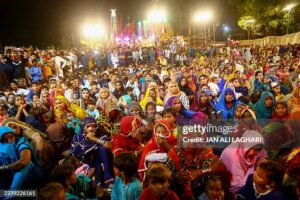
For a diverse country like Pakistan, with many languages, ethnicities, and traditions, art can become a unifying force rather than a divisive one.
The Western world offers strong evidence of how art and culture contribute to progress. In Europe and North America, art has long been used not only for aesthetic pleasure but also for social reform and political awareness. The Renaissance in Europe, for example, was not only an artistic movement but also an intellectual transformation. It encouraged critical thinking, scientific inquiry, and human-centered values.
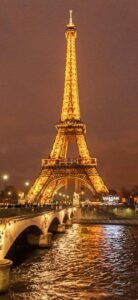
These ideas later supported democratic institutions, educational reforms, and economic innovation. Similarly, modern Western societies invest heavily in cultural institutions such as museums, theatres, and public art because they understand that creativity fuels both social harmony and economic activity.
Art has also played a direct political role in the West. Protest art, literature, and music have challenged unjust systems and supported civil rights movements. By providing peaceful ways to express dissent, art has helped societies manage conflict without violence. Economically, cultural industries have become major contributors to national income. Film, design, fashion, and creative tourism generate employment and attract global attention. Thus, art and culture have supported progress at political, social, and economic levels simultaneously.
The United Kingdom provides a particularly relevant example. Historically, Britain has used art and culture to build a tolerant and inclusive society. From Shakespeare’s plays, which explored human emotions and moral questions, to the public museums established in the nineteenth century, British art has aimed to educate citizens and encourage reflection. Institutions such as the British Museum, the National Gallery, and community arts councils were designed to make culture accessible to all social classes. This accessibility helped reduce cultural gaps and promoted a shared national identity despite class and regional differences.
In the modern era, the UK has continued this tradition by supporting multicultural art. Artists from different ethnic and religious backgrounds are encouraged to share their stories. This approach has helped British society adapt to diversity and manage the challenges of immigration and globalization. Art festivals, public monuments, and named streets honoring writers, musicians, and thinkers remind citizens daily of the value placed on creativity and dialogue. Naming roads and buildings after artists, painters, and sculptors is not a symbolic act alone; it sends a message about national priorities. It tells future generations that creativity and critical thought are as important as military or political achievements.
For Pakistan, adopting a similar approach is both necessary and timely. Much of Pakistan’s public space is named after political leaders, while artists and cultural workers remain under-recognized. When societies honor artists through public naming and monuments, they elevate the status of creativity and encourage young people to pursue cultural fields without fear or shame. Such recognition also helps normalize art as part of everyday life rather than something limited to elite circles.
“Arts are one area that can give people the kind of unity that is needed for the future.” Internationally recognized artist, Raja Changez Sultan on how art can help unify a nation and contribute to its future cultural identity.
This underscores his view that art isn’t just decoration — it helps a country understand itself and its people.
Sultan has reflected critically on Pakistan’s historical treatment of art and artists, noting that when a society focuses only on displays of power (like war imagery) over reflection and beauty, it limits the space for creative and cultural growth — implying that true progress requires valuing art alongside other national priorities.
Renowned artist and former federal minister Syed Jamal Shah has consistently emphasized this transformative role of art. He famously states, “Art makes you brave as you are secure in your own self.” This idea highlights how artistic engagement builds inner confidence and emotional strength. According to him, art and culture can be used as an agent of change because they remove hatred and bring people together. When individuals feel secure in their identity, they are less likely to reject others. In this way, art becomes a tool for peace-building.
Syed Jamal Shah also stresses that in the current climate of polarization in Pakistan, the promotion of art is not a luxury but a necessity. He argues that galleries should be built and supported so that people in both big cities and small towns have access to art. Equal access is crucial because cultural deprivation often deepens social divides. When only urban elites can experience art, it loses its democratic potential. Community-level cultural spaces can foster dialogue, reduce extremism, and provide healthy outlets for youth.
Mr. Shah said that art and culture forge deep connections between people and the land they inhabit, nurturing a sense of belonging, love, and ownership toward their country.
He further notes that art policy must be aligned with national unity. In this context, he has said that Field Marshal General Asim Munir is very clear about the importance of using art to bring all communities together for the betterment of Pakistan. Framed this way, art is not positioned against national security or development but as a complementary force that strengthens social resilience and mutual understanding.
In conclusion, art and culture are essential for Pakistan’s progress because they nurture tolerance, creativity, and collective confidence. Western societies, particularly the United Kingdom, demonstrate how sustained investment in cultural life can support political stability, social cohesion, and economic growth. By recognizing artists publicly, building accessible galleries, and integrating culture into national development strategies, Pakistan can address polarization and unlock its creative potential. Art does not weaken a nation; it strengthens it by making its people brave, thoughtful, and united.
Zalmay Azad
The author is an Islamabad-based senior journalist

