

M Ilyas
The persistent lack of education among women in Pakistan’s rural areas, particularly in Khyber Pakhtunkhwa (KPK), continues to pose a serious threat to the country’s economic development. Experts emphasize that bridging the gender education gap is vital for national progress, as evident in the success of nations like South Korea, Sri Lanka, and China, which enjoy literacy rates of 99%, 97%, and 85% respectively.
Education has long been recognized as a cornerstone of national growth. The Greek philosopher Plato once said that education turns the inner eye toward light, a sentiment echoed by Islamic teachings that stress the pursuit of knowledge as a fundamental duty. These teachings gain even greater importance in the context of women’s roles in society — particularly as mothers shaping the next generation.
Historical figures like Napoleon Bonaparte acknowledged the influential role of mothers in nation-building, making a strong case for prioritizing women’s education. However, in Pakistan, and especially in KPK’s rural regions, female literacy rates remain alarmingly low due to a combination of social, economic, and infrastructural challenges.
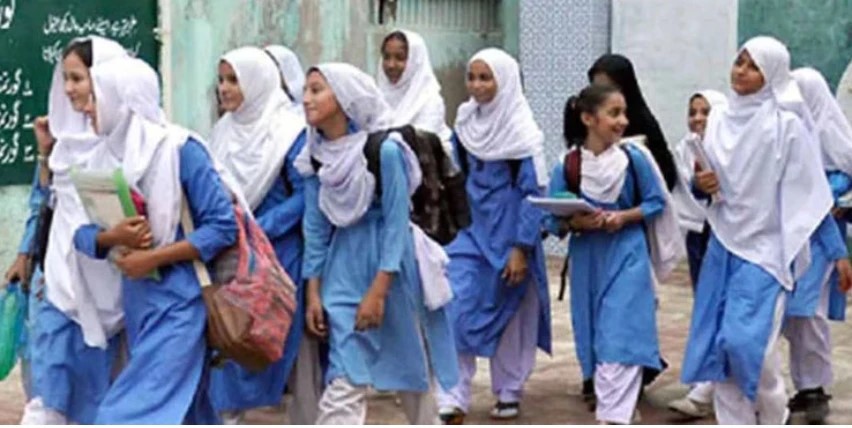
Among the key barriers is the lack of accessible educational institutions for girls in remote areas. Many girls are forced to travel long distances to reach schools, a situation worsened by prevailing societal misconceptions that limit women’s roles to household responsibilities. This traditional mindset continues to deprive many young girls of their right to education.
Governmental inaction further deepens the crisis. Despite repeated calls for reform, there has been little improvement in educational infrastructure. Many schools damaged during natural disasters like the 2010 floods remain in disrepair. In addition, poverty-stricken families are often unable to bear the costs of education, including tuition fees, books, and uniforms. While private schools offer relatively better facilities, they remain financially out of reach for most rural households.
Experts argue that urgent and comprehensive action is needed to address the widening educational gap. The government must prioritize the establishment of girls’ schools in rural areas, ensure quality education, and maintain proper oversight of teaching standards and infrastructure. Awareness campaigns are also crucial to educate parents about the importance of female education and to challenge deep-rooted gender biases.
Furthermore, regulating private school fees and promoting gender equality in education are essential to making education accessible for all. Only through a unified effort by the government, civil society, and local communities can Pakistan hope to break the cycle of illiteracy and unlock the full economic potential of its female population.
As the world moves forward, ensuring equal educational opportunities for women is not just a matter of justice , it is a necessity for national prosperity.

