

Islamabad: The recent meeting of the National Assembly Standing Committee on National Health Services turned from a routine briefing into an open parliamentary accountability session, as members sharply criticized the federal Ministry of Health over flawed policies, poor planning, and failure to provide basic medical facilities to patients. Lawmakers declared in clear terms that the public would no longer be deceived through “paper projects.”
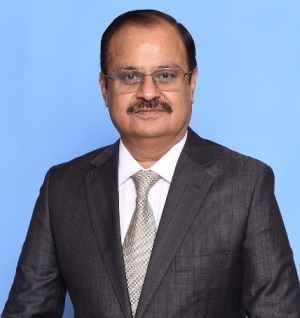
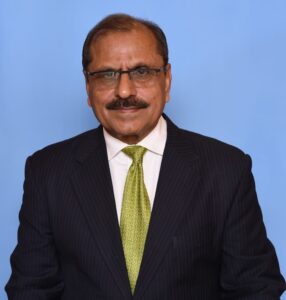
The meeting, Chaired by MNA Dr. Mahesh Kumar Malani, rejected 28 out of 33 new health schemes proposed for the fiscal year 2026–27. The committee issued firm directions to the Ministry to stop prioritizing new buildings and showcase projects and instead complete hospitals and programmes that have remained unfinished for years due to funding shortages, administrative inefficiency, and misplaced priorities.
The atmosphere grew increasingly tense when members described the Ministry’s approach as “infrastructure first, patients last,” noting that while buildings continued to be planned, patients still lacked doctors, medicines, functioning equipment, and proper treatment.
Aliya Kamran Khan Leads the Criticism
MNA Aliya Kamran Khan emerged as the most prominent voice during the session, delivering strong criticism of the Ministry’s planning. She stated:
“Across the country, patients are lying on hospital floors, MRI machines remain non-functional, and Basic Health Units stand empty, yet the Ministry keeps piling up files of new schemes. Parliament will not act as a mere approval machine.”
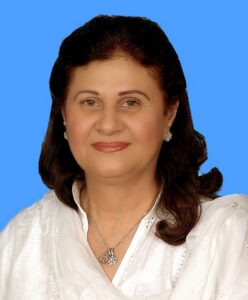
She termed the Rs319 billion throw-forward liability against an annual allocation of only Rs14 billion a “financial mockery,” warning that at this pace projects would take decades to complete. She said the Ministry had no practical strategy to bridge the massive funding gap.
Questioning the relocation of the Jinnah Medical Complex site from H-16 to H-11/2, she asked who would be held responsible for millions spent on earlier feasibility studies. She warned that with only 3 percent progress achieved, the 2029 completion deadline appeared unrealistic.
Dr. Nikhat Shakeel Khan Raises Financial Transparency Issues
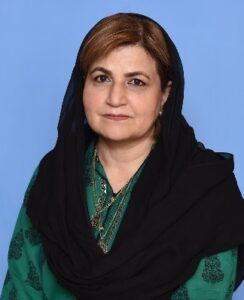
Dr. Nikhat Shakeel Khan raised serious objections regarding financial transparency. She questioned how the Border Health Services project cost escalated from Rs404 million to Rs2.8 billion, asking whether any independent audit justified the seven-fold increase.
She also criticized the revision of the Infectious Disease Laboratory project cost from Rs8.2 billion to Rs15.57 billion, calling it not merely cost escalation but a governance failure.
Referring to the IDSRS project, she pointed out that financial expenditure had reached 55 percent while physical progress stood at only 30 percent, asking whether contractors had received payments before completing work.
Dr. Shazia Sobia Aslam Soomro Focuses on Patient Burden.
Dr. Shazia Sobia Aslam Soomro stated that the Ministry was ignoring the real disease burden of the country. She highlighted that screening and treatment programmes for hepatitis, HIV, and diabetes remained underfunded despite being national health emergencies.
She emphasized that increasing the number of hospitals alone would not reduce patient numbers unless preventive healthcare received serious investment.
Dr. Shaista Khan Jadun Highlights Rural Health Failures
Dr. Shaista Khan Jadun described the condition of Basic Health Units as “the system’s biggest failure.” She said many BHUs lacked doctors, laboratories, and medicines, yet new repair schemes were introduced every year. She demanded that no BHU should receive funding unless 24/7 services were ensured.
Governance Concerns Raised by Farah Naz Akbar and Zahra Wadood Fatemi
Farah Naz Akbar criticized the Ministry for incomplete and non-transparent briefings, questioning how projects were being included in the PSDP without CDWP and ECNEC approvals.
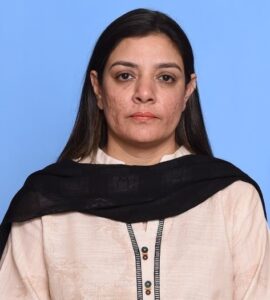
Zahra Wadood Fatemi said repeated redesigning of projects amounted to a waste of national resources and demanded accountability. She further alleged that dozens of illegal nursing homes, testing laboratories, maternity centres, and private hospitals were operating unlawfully on Lehtrar Road under the nose of the Health Ministry. She specifically named Dr. Shakeela Hospital, claiming illegal practices continued there, patients frequently died, and despite periodic sealing, the facility reopened within days.
Sabheen Ghouri Questions Digital Reform
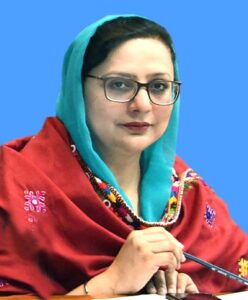
Sabheen Ghouri termed the “One Patient, One ID” system ineffective, arguing that expanding it to rural areas was merely cosmetic when it was not fully functional even in major hospitals.
Ground Realities of Hospitals Exposed
The meeting revealed alarming institutional conditions. Lawmakers were informed that the Federal Medical College lacked even basic furniture, while decades-old stables were still being used at the National Institute of Health for anti-sera production.
Members also expressed anger over non-functional MRI services at PIMS, stating that a child’s neurosurgery had been delayed due to administrative negligence.
Panda Bond Plan Under Scrutiny
Serious questions were also raised about the proposed $250 million Panda Bond financing plan. Members asked what contingency plan existed if the bond failed to materialize and whether a major public health project would remain stalled awaiting external financing.
Committee’s Clear Message
At the conclusion of the meeting, the committee delivered a clear message: patients—not buildings—would now be the priority. Diabetes, HIV, hepatitis, malnutrition, and neonatal mortality were declared national emergencies, and the Ministry was directed to reduce new schemes in future PSDPs and prioritize completion of ongoing projects.
Committee members unanimously observed that delays, massive cost escalations, and poor planning had become routine in the health sector, warning that public trust in the state healthcare system could collapse without immediate reforms.
The session signaled that Parliament is now moving toward active accountability rather than ceremonial oversight of the Health Ministry—and this time, the issue is not merely projects, but the lives of patients.
The meeting was attended by MNAs Dr. Darshan, Farrukh Khan, Aliya Kamran Khan, Farah Naz Akbar, Zahra Wadood Fatemi, Dr. Shazia Sobia Aslam Soomro, Dr. Nikhat Shakeel Khan, Dr. Shaista Khan Jadoon, Sabheen Ghouri, along with senior officials from the Ministry of Health and the Ministry of Planning and Development.

