

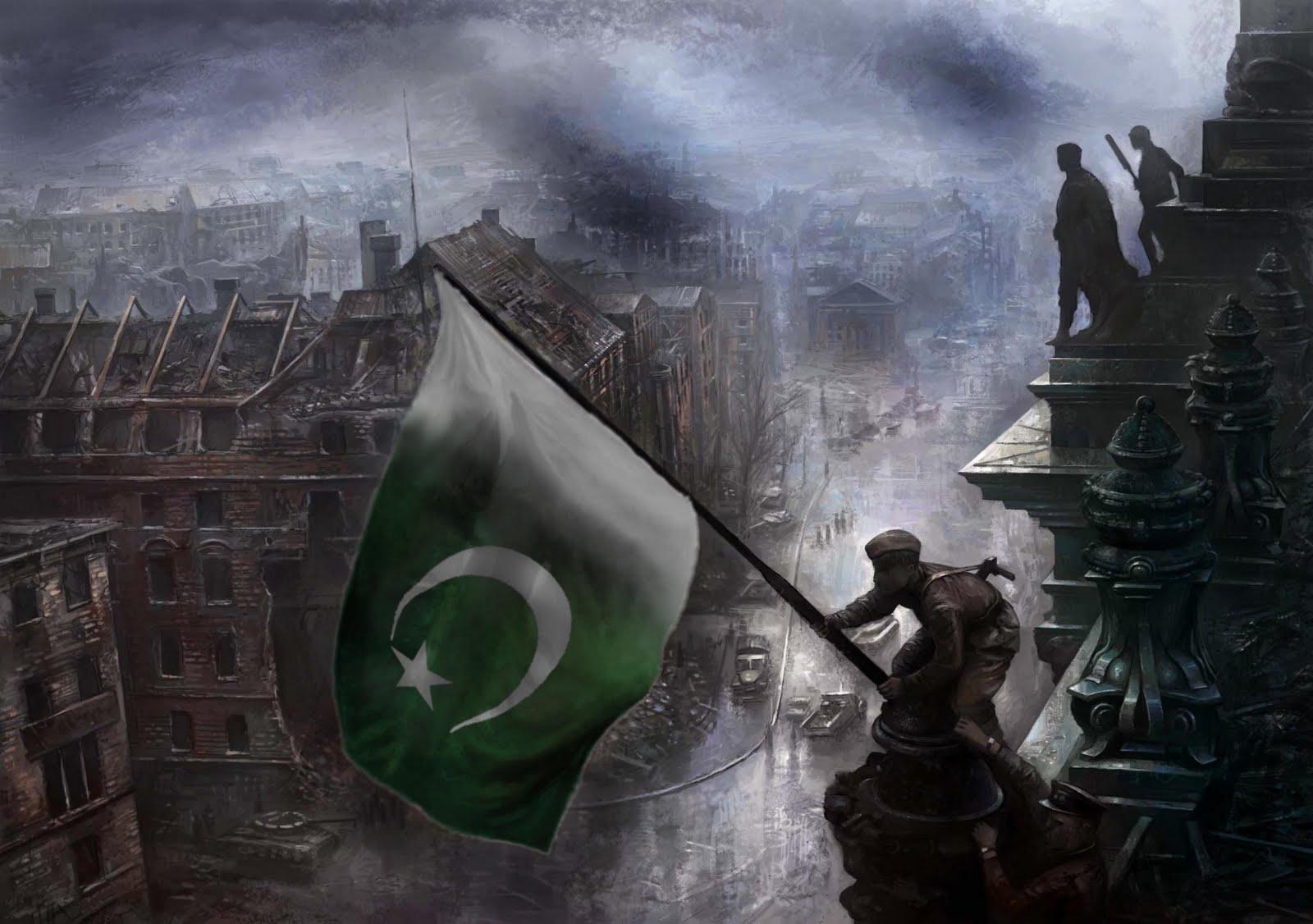
Pakistan stands at the most consequential crossroads of its modern history.
This isn’t rhetoric. It’s basic arithmetic.
The numbers from 2022 to today tell a story of drift of crisis management on repeat, of borrowing to survive rather than building to grow, of reform cycles started late and abandoned early. We have spent years firefighting symptoms while the structure beneath us quietly weakened.
But what keeps me up at night isn’t the past.
It’s the future.
More precisely, it’s the two completely different Pakistans that could exist by 2030.
One Pakistan is growing, working, paying its way, and breathing easier.
The other is poorer, angrier, hollowed out from the inside, and inches from becoming a failed state.
Both futures are plausible.
Neither requires a miracle.
The difference is what we do or refuse to do in the next 18 months.
That window is open but not for long.
Two Pakistans. One Deadline.
Let me show you the two countries we could become.
Pakistan, 2030 — If We Choose to Fix This
By 2030, Pakistan is growing at 6–7% a year. Not because we discovered oil, not because geopolitics saved us, and not because someone bailed us out again. But because a country with 240 million people finally stopped sabotaging itself.
Tax revenues reach 15% of GDP. Still low by international standards, but enough to run a basic state with dignity. Schools are funded on time. Clinics have medicine instead of excuses. Infrastructure is built because it was planned, not because a crisis forced it.
This turnaround doesn’t begin with a grand vision document. It begins with one hard decision.
The PIA sale of late 2025 the first genuine privatization in decades becomes the inflection point. It isn’t perfect. No privatization ever is. But it proves something Pakistan had begun to doubt: that the state can still say “no” to vested interests.
That courage proves contagious.
Other state-owned enterprises follow. Some are sold. Some are restructured. Some are shut down because sometimes the most responsible decision is to stop throwing good money after bad.
SOE losses, which averaged around Rs. 500 billion earlier in the decade and had already crossed Rs. 700 billion annually, fall steadily to under Rs. 150 billion by 2030.
For the first time in years, the bleeding slows.
Government itself stops behaving like a luxury good.
The federal cabinet shrinks from 70+ ministers to under 30. Duplicate ministries are merged. Parallel departments are eliminated. Protocol culture—cars, entourages, residences, discretionary spending is slashed.
The bureaucracy is right-sized without chaos: attrition, voluntary separation, hiring freezes, and performance based progression. No witch hunts. No purges. Just realism.
The savings from cutting fat alone reach Rs. 400 billion every year money that finally goes into education, health, and infrastructure instead of self-maintenance.
Then comes the real fight.
Pakistan stops protecting the powerful.
Sugar, cement, automobiles, energy sectors long cocooned by political connections are exposed to competition. Import quotas are dismantled. Auto tariffs are reduced. Competition law is enforced instead of negotiated behind closed doors.
Consumers feel immediate relief. Prices stop moving in lockstep. Choice returns.
Industry panics then adapts.
Exports respond.
By 2030:
Textiles cross $30 billion, not through subsidies but productivity.
IT exports reach $10–12 billion, powered by skills rather than slogans.
Food, rice, engineering goods, pharmaceuticals, and light manufacturing scale up.
Total exports reach $70 billion, finally breaking the psychological and structural $35 billion ceiling that haunted us for two decades.
Energy reform long postponed finally happens.
The worst dollar-indexed power contracts are renegotiated. Guaranteed returns are replaced with performance-based ones. Circular debt, once a Rs. 2.3 trillion noose, is contained and then reduced.
Electricity stops acting like a tax on production.
Population growth once the silent killer of economic gains is finally outpaced by job creation. Productivity rises faster than headcount. Growth becomes real, not statistical.
Poverty falls to around 28%. Roughly 16 million Pakistanis climb out of desperation. Young people find work at home instead of scanning visa websites. The middle class expands instead of shrinking.
Pakistan exits the IMF in 2027 and stays out.
This Pakistan does not emerge because we found brilliant leaders.
It emerges because we stopped rewarding failure.
Pakistan, 2030 — If We Look Away
This is the other path.
This Pakistan limps along at 2–3% growth, barely keeping pace with population growth of over 2 million people a year. On paper, the economy grows. In reality, the average Pakistani is no better off and many are worse.
The PIA sale of 2025 turns out to be our last reform, not our first. Political courage evaporates. Vested interests regroup. Every attempt to tackle another SOE is delayed, diluted, or quietly buried.
By 2030, SOE losses balloon to nearly Rs. 900 billion annually.
Government becomes a jobs program for the connected. Cabinets swell. Ministries multiply. Advisors proliferate. Protocol costs explode.
The cost of government tending to itself already near Rs. 600 billion crosses Rs. 800 billion a year.
Add it up:
SOE losses: Rs. 900 billion
Government bloat: Rs. 800 billion
That’s Rs. 1.7 trillion every year consumed by waste and patronage before a single rupee reaches a child’s classroom or a village clinic.
Revenues remain stuck at 9–10% of GDP. Debt servicing eats up nearly half of everything collected. Development spending becomes symbolic a budgetary afterthought.
Energy reform never happens. Circular debt spirals. Power tariffs remain punitive. Industry contracts.
IMF programs become permanent. Each one harsher. Each one more resented. Each one politically weaker than the last.
Inflation remains cruel. The rupee slides toward Rs. 450 in repeated balance-of-payments crises.
Poverty crosses 45% over 120 million Pakistanis living in deprivation.
Young people lose hope. More than 100,000 skilled professionals leave every year, taking human capital, ambition, and future leadership with them.
Investment dries up. Trust evaporates.
By 2030, the world stops being polite.
“Fragile state” is no longer an analysis it is our label.
This Pakistan doesn’t collapse overnight.
It simply rusts, slowly, from the inside.
The Machine That Eats Us From Within:
To understand these two futures, we must name the monster.
Pakistan is not a production economy.
It is an extraction economy A system designed to pull wealth from the many and funnel it to the few. You feel it every day.
Sugar costs 40% more than it should because a handful of mill owners control policy.
Cement prices move together even when demand collapses.
Car companies sell 20-year-old designs at premium prices, protected by tariffs that punish buyers.
Power producers earn guaranteed dollar profits whether electricity is needed or not creating a Rs. 2.3 trillion debt loop we all pay for.
Real estate hoards trillions while factories struggle for credit.
Large landowners pay little to no tax while salaried workers are squeezed at source.
This is not accidental.
It is a system.
And it is defended ferociously.
State-Owned Enterprises: The Bleeding Heart
PIA mattered not because it was the largest SOE, but because it proved a point.
It was losing Rs. 50 billion a year. Stopping that bleeding was the victory.
But PIA was only one patient in a terminal ward.
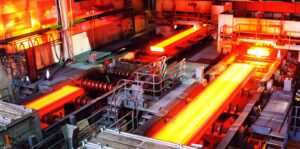
Pakistan Steel Mills has absorbed over Rs. 200 billion and produces nothing.
Pakistan Railways loses Rs. 50–60 billion annually.
Utility Stores bleed year after year.
Together, remaining SOEs drain around Rs. 700 billion today, heading toward Rs. 900 billion without reform.
This is not ideology.
It is math.
A state that cannot afford teachers cannot afford loss-making steel mills.
A Government That Grows While the Country Shrinks
Then there is the state itself.
More than 70 federal ministers, each with staff, cars, security, and budgets.
Bloated secretariats replicated at provincial levels.
Advertising budgets of Rs. 20–30 billion a year.
The cost of government feeding itself approaches Rs. 600 billion annually and rising.
This is not governance.
It is self-preservation.
What Building Actually Requires
The way out is not mysterious.
It requires discipline, speed, and political courage.
Finish SOE reform. Use PIA momentum. Sell or shut Steel Mills. Bring private management into Railways. Restructure or close Utility Stores.
Break the cartels. Remove import quotas. Cut auto tariffs. Enforce competition law in sugar and cement. Renegotiate the worst power contracts.
Fix energy. End guaranteed dollar returns. Arrest circular debt. Power must enable growth, not tax it.
Tax the powerful. Tax agricultural income above real thresholds by provinces. Tax speculative real estate. End sector-specific exemptions. Target 13% of GDP by 2027.
Shrink government wisely. Cap the cabinet at 30. Merge departments. Cut protocol costs by two-thirds. Right-size bureaucracy through attrition, not purges.
Make elections matter. Reforms that do not survive 2028 are not reforms they are interruptions.
Who Delivers and Who Fails Us
If Pakistan succeeds, credit belongs to:
Political leaders willing to absorb short-term pain
Provinces that tax agriculture and deliver services
Regulators that regulate instead of negotiate
Institutions that choose builders over rent-seekers
Citizens who support reform even when it hurts
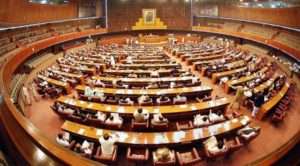
If Pakistan fails, responsibility is clear:
Politicians who delay hard decisions
Cartels that veto competition
Provinces that demand money but refuse responsibility
Bureaucracies that protect mediocrity
A middle class that wants Scandinavian services without Scandinavian taxes
Time Is Not Neutral
Every year we delay:
Debt compounds
Cartels entrench
Talent leaves
Reform space shrinks
The next 18 months decide whether we bend the curve or break.
The Choice in Our Hands
By 2030, one of these Pakistans will be real.
In one, the PIA sale was the beginning. We followed through. We cut waste, broke cartels, and chose production over extraction. Growth returned. Poverty fell. The future reopened.
In the other, PIA was a flicker of courage in a long retreat. Losses mounted. Waste deepened. Talent fled. Hope became memory.
History will not ask whether it was hard.
It will ask whether we tried when we had the chance.
That chance is now.
The window is still open.
But for how long?

Fazeel Asif
A voice at the crossroad.
[email protected]

