

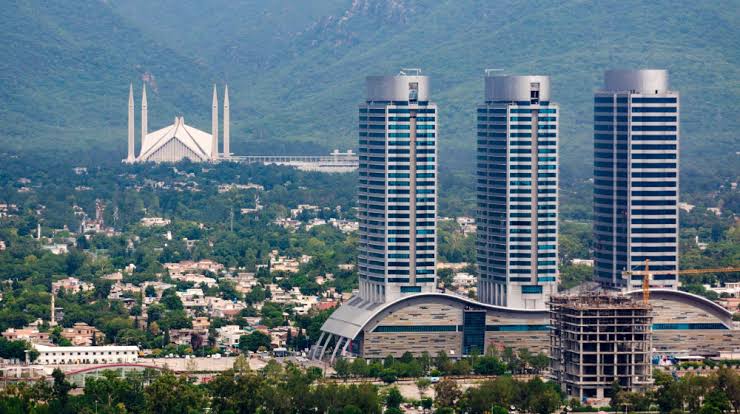
Islamabad is a beautiful city. Wide roads, green belts, silent sectors, and an air of importance that suggests something very serious is always happening somewhere nearby. And to make sure this seriousness is fully felt by ordinary citizens, the city has a special system of security management: pickets. Lots of pickets. On main roads. Right in the middle of traffic. Preferably during office hours.
The idea of a security picket is simple. You stop suspicious people, check vehicles, and make the city safe. The Islamabad version, however, adds a creative twist. Here, pickets are designed less to stop threats and more to stop traffic, patience, and sometimes the will to live.
Every morning, commuters step out of their homes with hope in their hearts and tea in their systems. They calculate travel time carefully. “It’s only a 20-minute drive,” they tell themselves. What they forget to factor in is the surprise picket, which appears overnight like a mushroom after rain. There were no warning signs yesterday, but today the main road is half blocked by cones, barriers, and a police van parked at a thoughtful angle—just enough to create a bottleneck.
At the picket stand our guardians of security: police officials. They are easy to spot. Not because they are alert or checking vehicles, but because they are deeply engaged in their mobile phones. Some are scrolling social media, some are on calls, and some are doing that intense thumb work that suggests a very important WhatsApp debate is in progress. National security, clearly, can wait.
Cars inch forward. Motorbikes squeeze through gaps that physics did not approve. Buses lean slightly to one side. No one is sure where to go, because no one is guiding traffic. A whistle exists, but it is ornamental. Finally, when a vehicle reaches the picket, something magical happens: nothing.
Most cars are waved through without a glance. No questions, no checking, no interest. Occasionally, a poor soul is stopped—not because they look suspicious, but because the officer has momentarily finished checking their phone and needs something to do. The check itself is brief and confusing. “Kahan ja rahay ho?” is asked with the enthusiasm of someone asking about the weather. The answer, no matter what it is, is always acceptable.
Nighttime brings a whole new level of innovation. The pickets remain, but now visibility is optional. The officers use their mobile phone torches to check vehicles. This is not a metaphor. Actual phone torches. The same phones they were scrolling on all day now double as high-tech security equipment. A quick flash of light into the car, sometimes directly into the driver’s eyes, confirms… something. What exactly, no one knows.
The process is quick. Too quick. The light goes on, the light goes off, and the vehicle moves on. One wonders what kind of threat can be detected in half a second with a shaky torch and low battery. Perhaps danger glows in the dark. Perhaps criminals politely announce themselves. Islamabad security clearly runs on advanced logic that ordinary citizens cannot understand.
Then there is the crown jewel of this system: the picket on the exit of Islamabad on Kashmir Highway.
This is where satire gives up and reality takes over.
A picket on the exit. Let us pause and think.
Entry points make sense. You check who is coming in. That is logical. That is how doors work. But checking vehicles that are leaving the city raises important philosophical questions. Is Islamabad afraid of losing people? Is this a security measure or an emotional one? Are we making sure no one escapes with the city’s secrets, like where the best chai is?
Drivers slow down, puzzled but obedient. The officer, phone in hand, shines the torch. “Kahan ja rahay ho?”
“Islamabad se bahar,” replies the driver honestly.
There is no follow-up question, because none exists. After all, the mission is complete. A citizen has been successfully checked while exiting.
The inconvenience caused by these pickets is impressive. Roads are blocked, lanes disappear, U-turns are born without warning, and traffic jams appear where traffic never existed before. Ambulances, office workers, students, delivery riders—all are treated equally. Equality is important in security management. Everyone must suffer the same delay.
What makes it truly special is the randomness. One day the picket is there, the next day it vanishes, only to reappear a few kilometers away like a traveling circus. No explanation is given. No signs are placed. Commuters are expected to develop a spiritual connection with the road and sense these things in advance.
And yet, despite all this, the city remains safe. Or unsafe. Or the same as before. It is hard to tell. What is certain is that traffic remains slow, tempers remain high, and police data packages remain fully used.
Islamabad’s picket system does not just manage security; it builds character. It teaches patience. It teaches silence. It teaches you how to drink water slowly in a car while stuck behind a van that is also being waved through without inspection.
In the end, one must admire the confidence. To block major roads, inconvenience thousands, and still appear completely uninterested in who is passing through requires great faith—in fate, perhaps. Or in the idea that security is less about action and more about appearance.
So the next time you see a picket on a main road, remember: it is not there to stop danger. It is there to remind you that you are in Islamabad, a city where security is taken very seriously, as long as the phone signal is strong and the torch battery lasts.

