

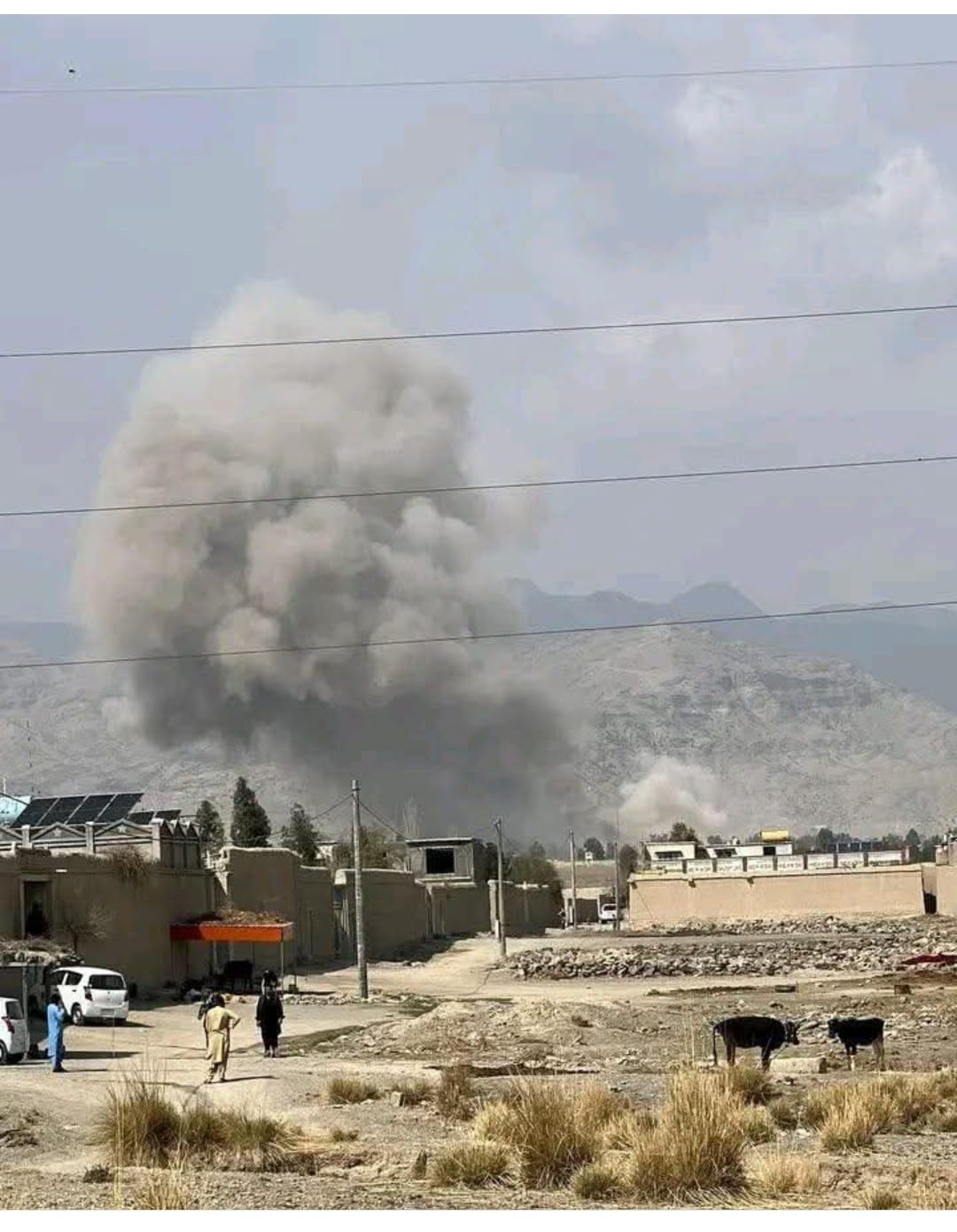
Relations between Pakistan and Afghanistan have long been complex and sensitive. Rooted in centuries of ethnic, geographic, and political connections, the balance of trust and cooperation between the two countries has always remained fragile. Since the Taliban came to power in 2021, these relations have entered a new phase, with recent years marked by border clashes, rising security threats, and increasing international pressure, all of which have heightened their significance.
The Durand Line has remained a central point of dispute between Pakistan and Afghanistan for decades. In recent years, small-scale confrontations between the forces of both countries have become relatively frequent. Pakistan maintains that militant groups such as Tehrik-i-Taliban Pakistan (TTP) and ISIS, operating from Afghan territory, are crossing the border to carry out attacks inside Pakistan. On the other hand, the Taliban administration often denies these allegations. As a result, instability persists in border regions, trade activities are disrupted, and the daily lives of local populations are increasingly strained.
Pakistan has also carried out limited military operations in areas like Ghadwana and other border regions to strengthen security. However, such actions have contributed to humanitarian and territorial pressure within Afghan areas. While these clashes highlight legitimate security concerns, they simultaneously contribute to rising tensions across the region.
Afghanistan is already facing a severe economic crisis and relies heavily on humanitarian aid. Border conflicts, limited incursions, or aerial operations not only affect Afghan civilians but also place additional strain on Pakistan, particularly in terms of refugee inflows. Millions of Afghans could potentially be forced to migrate toward Pakistan, increasing pressure on food supplies, water resources, healthcare systems, and employment opportunities. Economically, Pakistan may also face disruptions in trade routes and energy connectivity with Afghanistan, while potential financial pressure or sanctions from the international community could negatively impact its economy.
From a global and regional perspective, Pakistan’s Afghan policy holds significant importance. The United States, European countries, and the United Nations have not formally recognized the Taliban government and continue to urge Pakistan to take effective measures against terrorism and ensure border security. Meanwhile, neighboring countries such as China and Iran are attempting to mediate and encourage dialogue to reduce tensions and promote regional stability.
Pakistan’s policy toward Afghanistan is guided by three key priorities. First, ensuring border security and internal stability by controlling militant elements. Second, maintaining influence over the Taliban government to align Afghan policies with Pakistan’s strategic interests. Third, safeguarding economic and trade interests by keeping trade routes to Central Asia open and supporting energy and infrastructure development projects.
Given the current situation, a cautious and balanced strategy is essential. As a responsible state, Pakistan seeks peace and stable relations with Afghanistan. However, it will not tolerate any form of aggression or terrorism. In such circumstances, Pakistan is unlikely to permit any cross-border infiltration, and elements that threaten its sovereignty may face serious consequences. At the same time, international sanctions, internal instability, refugee pressures, and the risks of prolonged conflict make any large-scale escalation both impractical and highly dangerous.
In conclusion, Pakistan-Afghanistan relations are built upon a delicate balance, where managing border security, counterterrorism, and international pressures requires careful strategy. To reduce tensions, maintain peace, and address humanitarian and economic challenges, Pakistan’s Afghan policy emphasizes caution, dialogue, and international cooperation.
Such an approach is not only vital for long-term regional peace but also essential for Pakistan’s own security and economic stability. In times of heightened tension, a measured and balanced strategy remains the only viable path toward building lasting and constructive relations between Pakistan and Afghanistan.

Maqsood Shanwar Advocate
The author is a free lance journalist and regular article writer for NEWSMAN
