

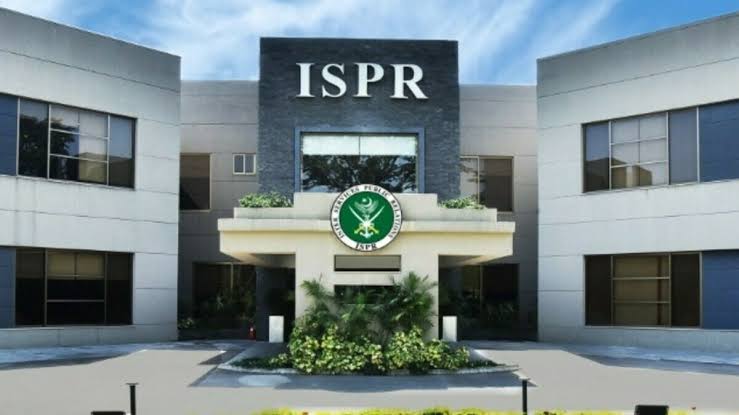
In the modern era, warfare is no longer confined to battlefields—it extends into narratives, perceptions, and strategic messaging. Pakistan’s Inter-Services Public Relations (ISPR) has emerged as a critical force in shaping the country’s defense diplomacy, ensuring that military actions are not just executed but also understood in the right context. The May 2025 crisis between Pakistan and India was a defining moment, where communication became as vital as military strategy itself. Gone are the days when wars were fought solely with weapons; today, information is a weapon in itself. ISPR’s role has evolved beyond traditional military briefings—it now operates in a hybrid warfare environment, where controlling the narrative is as crucial as controlling territory. In the May 2025 escalation, Pakistan’s ability to manage global perception through strategic messaging played a decisive role in preventing further conflict. The crisis began with India’s Operation Sindoor, targeting Pakistan. Pakistan’s response, Operation Bunyan-un-Marsoos, was swift and calculated, focusing on military installations rather than civilian areas. However, beyond the battlefield, ISPR ensured that the world understood Pakistan’s stance—not as an aggressor, but as a nation defending its sovereignty. While Pakistan maintained a transparent and strategic approach to crisis communication, Indian media took a drastically different route, fueling misinformation and nationalist hysteria. Several prominent Indian news networks unleashed a barrage of false claims, ranging from fabricated reports of Pakistani fighter jets being shot down to exaggerated victories that never occurred. Sensationalist coverage falsely suggested that Pakistan had requested a ceasefire, a claim categorically denied by ISPR. Some outlets even aired doctored visuals, falsely presenting footage from other conflicts as evidence of Indian strikes on Pakistani cities. This reckless media propaganda not only misled the Indian public but also escalated tensions, making diplomatic resolution more challenging. The spread of misinformation during such critical moments highlights the danger of unchecked media narratives, reinforcing the need for responsible journalism in conflict reporting. Crisis communication is not just about external messaging—it is also about internal stability. In times of conflict, public morale can determine national resilience. ISPR’s approach was not limited to military updates; it actively engaged with citizens, reinforcing national unity and confidence. Statements from Lieutenant General Ahmed Sharif Chaudhry emphasized Pakistan’s preparedness, reassuring the public that the country was not seeking war but was ready to defend itself.
Moreover, ISPR’s use of digital platforms ensured that misinformation did not spread unchecked. In an era where social media can amplify false narratives, ISPR’s ability to control the flow of information was instrumental in maintaining domestic stability. The May 2025 crisis demonstrated that communication is as powerful as military strength.
Pakistan’s ability to shape narratives, counter misinformation, and maintain diplomatic credibility was a testament to ISPR’s strategic role. Moving forward, Pakistan must enhance digital diplomacy to engage with global audiences more effectively, ensuring that the country’s narrative is shaped through authentic engagement rather than reactive statements. Strengthening real-time crisis response mechanisms will be crucial in preventing misinformation, ensuring that Pakistan’s stance remains clear, and reinforcing the country’s sovereignty. Investing in media training for defense officials is also imperative, as clear and authoritative messaging can enhance Pakistan’s credibility in the global arena. In an age where wars are fought on multiple fronts, ISPR’s role in crisis communication will continue to be a defining factor in Pakistan’s defense diplomacy, ensuring that national security is not just about military strength but also about how effectively the country conveys its position to the world. The ability to control narratives, counter propaganda, and maintain diplomatic integrity will shape Pakistan’s future engagements, proving that in modern warfare, words can be just as powerful as weapons.
The writer is a Student at National Defence University, Islamabad
Department of International Relations.

